

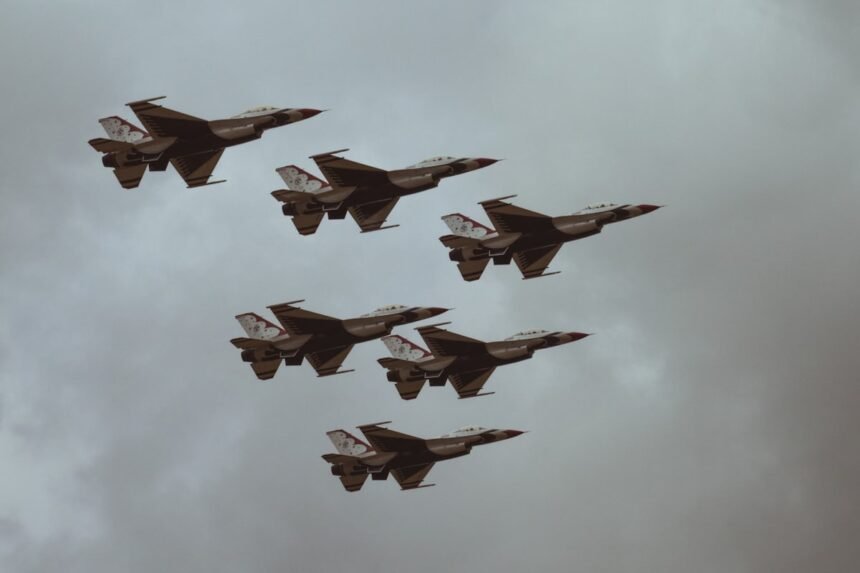
The conflict between Iran, Israel, and the United States has become one of the most dangerous geopolitical crises in the modern Middle East. The war that escalated in February 2026 has expanded rapidly, involving missile strikes, air attacks, and regional tensions that threaten global stability. Understanding the background, causes, and consequences of this conflict is important for analyzing its potential impact on international politics, energy markets, and security.
Background of the Conflict
Tensions between Iran and Israel have existed for decades. Before the 1979 Iranian Revolution, the two countries maintained diplomatic relations. However, after the revolution established an Islamic government in Iran, the relationship turned hostile. Iran accused Israel and the United States of dominating Middle Eastern politics and supporting policies harmful to Iranian interests. Israel, on the other hand, has long considered Iran a major security threat due to its military influence and suspected nuclear ambitions.
The United States, a close ally of Israel, has frequently opposed Iran’s regional policies and nuclear program. Over the years, sanctions, cyber operations, and indirect confrontations through proxy groups increased tensions. These tensions eventually created a volatile environment that made direct conflict more likely.
The 2026 Military Escalation
The current war began on 28 February 2026, when Israel launched a major military operation known as Operation Lion’s Roar against strategic targets inside Iran. The attacks targeted military installations, infrastructure, and facilities related to Iran’s nuclear program. The United States reportedly coordinated with Israel and participated in strikes against key Iranian sites.
During the attacks, Iran’s Supreme Leader Ali Khamenei was reportedly killed, which dramatically escalated the conflict and triggered widespread retaliation by Iran.
In response, Iran launched missile and drone attacks against Israel and American military bases across the Middle East. Several countries in the Gulf region, including Bahrain, Kuwait, Qatar, and Saudi Arabia, reported air defense activity as Iranian strikes targeted U.S. facilities and allied infrastructure.
Regional Expansion of the War
The war quickly spread beyond Iran and Israel. Iranian-aligned groups in the region became involved, including Hezbollah in Lebanon, which launched attacks on northern Israel in response to Israeli operations. This expansion raised fears of a broader regional war involving multiple Middle Eastern states.
Iran also carried out strikes against U.S. bases and military facilities in the Gulf region, including attacks near Kuwait. Air defense systems in several countries intercepted dozens of missiles and drones during these retaliatory operations.
Meanwhile, Israeli forces continued to strike Iranian targets and allied groups across the region. The growing scale of military operations has resulted in significant casualties and displacement, with thousands reported killed or injured since the conflict began.
Global Economic Consequences
The war has had major consequences for the global economy. One of the most significant impacts has been on the global energy market. Because the Strait of Hormuz is a crucial route for transporting oil, disruptions caused by the conflict have affected nearly 20% of the world’s oil supply.
Oil prices surged sharply, increasing from around $70 to more than $100 per barrel within days. These increases have affected transportation costs, inflation rates, and global financial markets. Analysts warn that if the conflict continues, it could lead to economic instability and possibly a global recession.
International Reactions
Many countries and international organizations have called for an immediate ceasefire. The United Nations and several European nations have urged diplomatic negotiations to prevent further escalation. However, both Iran and Israel have continued military operations, suggesting that a quick resolution may be difficult.
Major powers are also closely monitoring the situation because the war could reshape alliances and security policies in the Middle East. If the conflict expands further, it may involve additional countries or trigger long-term geopolitical changes.
Conclusion
The Iran–Israel–United States war represents one of the most serious conflicts in recent years. Rooted in decades of political rivalry and strategic competition, the war escalated dramatically in 2026 with direct military confrontation between the three countries. Its effects extend far beyond the Middle East, influencing global economics, security, and diplomacy.
Whether the conflict will end through negotiations or continue to escalate remains uncertain. What is clear, however, is that the outcome of this war will significantly shape the future of the Middle East and the broader international order.