

Children’s laughter echoing through backyards and parks creates some of life’s most precious moments. Yet behind every safe play session lies careful planning and maintenance—especially when it comes to the trees that provide shade and natural beauty around play areas.
Trees offer incredible benefits to outdoor spaces where children play. They create cooling shade during hot summer days, provide natural windbreaks, and establish beautiful environments that encourage outdoor activity. However, without proper care and maintenance, these same trees can pose serious safety risks to the children who play beneath them.
Understanding how to maintain trees around play areas isn’t just about aesthetics—it’s about creating secure environments where families can enjoy peace of mind while children explore and play.
Why Tree Maintenance Matters for Play Areas
Trees near playgrounds and play areas face unique challenges that require specialized attention. High foot traffic compacts soil around root systems, while playground equipment installation can damage roots during construction. Children climbing on lower branches or playing near tree bases can also stress trees in ways that don’t occur in other landscape settings.
Dead or weakened branches pose the most immediate danger. A falling branch can cause serious injury, making regular inspection and pruning essential safety measures. Additionally, diseased trees can spread infections to other plants in your landscape, creating broader maintenance issues that extend beyond the immediate play area.
Root systems deserve equal attention. Surface roots can create tripping hazards, while compromised underground root systems can lead to unexpected tree failure during storms or high winds.
Essential Tree Maintenance Practices
Regular Professional Inspections
Schedule comprehensive tree assessments at least twice yearly—once in late winter before new growth begins, and again in late summer after the growing season. Professional arborists can identify potential problems that untrained eyes might miss, including internal decay, pest infestations, or structural weaknesses.
Strategic Pruning and Trimming
Remove dead, diseased, or damaged branches immediately upon discovery. Trim branches that hang too low over play equipment, maintaining at least 8-10 feet of clearance above swings, slides, and climbing structures. This clearance prevents children from grabbing branches during play while ensuring adequate space for equipment use.
Proper pruning techniques matter significantly. Clean cuts made at appropriate angles heal faster and reduce disease risk compared to torn or improperly angled cuts that can invite pest and pathogen problems.
Soil and Root Care
Maintain healthy soil conditions around play area trees by avoiding soil compaction whenever possible. Consider installing protective barriers or designated pathways to direct foot traffic away from sensitive root zones. Mulching around tree bases helps retain moisture and protect roots, but keep mulch several inches away from tree trunks to prevent pest and disease issues.
Disease and Pest Management
Monitor trees regularly for signs of disease or pest activity. Early intervention prevents small problems from becoming major safety hazards. Common warning signs include unusual leaf discoloration, premature leaf drop, visible pest activity, or changes in bark texture and appearance.
Creating Safe Buffer Zones
Establishing appropriate distances between trees and play equipment reduces risk while maintaining the benefits trees provide. Plan for mature tree size when planting new trees, ensuring adequate space for both tree growth and safe equipment placement.
Consider the specific needs of different play equipment types. Swing sets require larger clearance areas than stationary equipment like slides or climbing structures. Sand boxes and other ground-level play areas can tolerate closer tree proximity than elevated equipment.
When to Call Professional Help
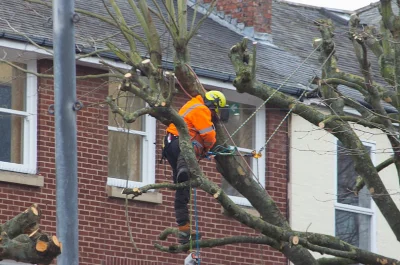
While basic maintenance tasks like raking leaves and light pruning might seem manageable for property owners, tree care around play areas often requires professional expertise. Complex pruning, disease diagnosis, and risk assessment benefit from trained arborist knowledge and specialized equipment.
Professional services become essential when dealing with large trees, trees showing signs of disease or pest problems, or situations involving power lines near play areas. Additionally, storm damage assessment and cleanup should always involve professional tree care services to ensure safety and proper tree recovery.
Many communities that focus on comprehensive property care, including lawn maintenance in Logan and similar areas, recognize that tree maintenance forms a crucial component of overall landscape safety and beauty.
Seasonal Maintenance Considerations
Spring maintenance focuses on assessing winter damage and preparing trees for the growing season. Remove storm-damaged branches and evaluate overall tree health as leaves emerge.
Summer care emphasizes monitoring for pest activity and drought stress. Adequate watering during dry periods keeps trees healthy and reduces the likelihood of sudden branch failure.
Fall preparation involves removing hazardous branches before winter storms arrive and clearing fallen leaves that might create slippery conditions around play equipment.
Winter offers ideal timing for major pruning work on many tree species, as dormant trees recover more easily from pruning cuts.
Building Long-Term Safety
Creating and maintaining safe play areas requires ongoing commitment rather than one-time efforts. Develop maintenance schedules that address both immediate safety concerns and long-term tree health. Keep detailed records of maintenance activities, including dates of pruning, pest treatments, and professional inspections.
Regular maintenance not only ensures safety but also extends tree life and enhances property value. Well-maintained trees provide decades of enjoyment and environmental benefits when properly cared for throughout their lives.
Safe play areas don’t happen by accident—they result from careful planning and consistent maintenance efforts. By prioritizing expert tree care around play spaces, property owners create environments where children can play safely while enjoying all the natural benefits that healthy trees provide. The investment in professional tree maintenance pays dividends in both safety and long-term landscape beauty.