
The idea of working from anywhere in the world is more attainable than ever. This lifestyle, known as digital nomading, combines professional work with the freedom of travel. It allows individuals to break free from the traditional office environment and build a career on their own terms. However, making the leap requires careful planning and preparation.
Successfully transitioning to a nomadic life involves more than just booking a flight. It requires a solid financial plan, the right technology, and a clear understanding of the challenges ahead. This guide covers the essential first steps for anyone looking to embrace this exciting way of life.
Securing Remote-Friendly Work
The foundation of a sustainable digital nomad lifestyle is a reliable source of income that is not tied to a specific location. There are several paths you can take to achieve this.
Finding or Creating Location-Independent Income
- Freelancing: Many professions lend themselves to freelance work. Skills in writing, graphic design, web development, marketing, and consulting are in high demand. Online platforms can help connect freelancers with clients from around the globe.
- Negotiating with a Current Employer: Some companies are open to remote work arrangements. If you are a valued employee, you may be eligible to negotiate a transition from an in-office role to a fully remote one. Present a well-thought-out plan that outlines how you will maintain productivity and communication.
- Building an Online Business: Creating your own business, such as an e-commerce store, a blog, or an online course, can provide long-term income. This path often requires significant upfront effort but offers the greatest flexibility.
Managing Your Finances on the Road
Financial stability is crucial when you do not have a fixed home base. Careful budgeting and planning will help you manage expenses and avoid an early end to your travels.
Essential Financial Planning
- Create a Detailed Budget: Track your income and estimate your expenses, including accommodation, food, transportation, insurance, and entertainment. It is wise to have a savings buffer of at least three to six months of living expenses before you begin.
- Banking and Currency: Open bank accounts that have low or no foreign transaction fees. Using travel-friendly credit and debit cards will save you a significant amount of money. Always inform your bank of your travel plans to avoid having your cards frozen.
- Understanding Taxes: Your tax obligations can become complex when you work and travel. Depending on your citizenship and the length of your stays in different countries, you may have tax responsibilities in multiple locations. It is often beneficial to consult with a tax professional who specializes in expatriate and nomadic lifestyles.
Staying Connected and Productive
A reliable internet connection is the lifeline of any digital nomad. Without it, work comes to a halt. Ensuring you have access to fast and stable internet is a top priority.
The Nomad’s Tech Toolkit
- Connectivity Options: Research internet availability in your chosen destinations. While many cafes and co-working spaces offer Wi-Fi, it is not always dependable. A portable hotspot or a local SIM card can provide a more consistent connection. For those venturing to truly remote locations, a satellite hotspot can be a worthwhile investment to guarantee access.
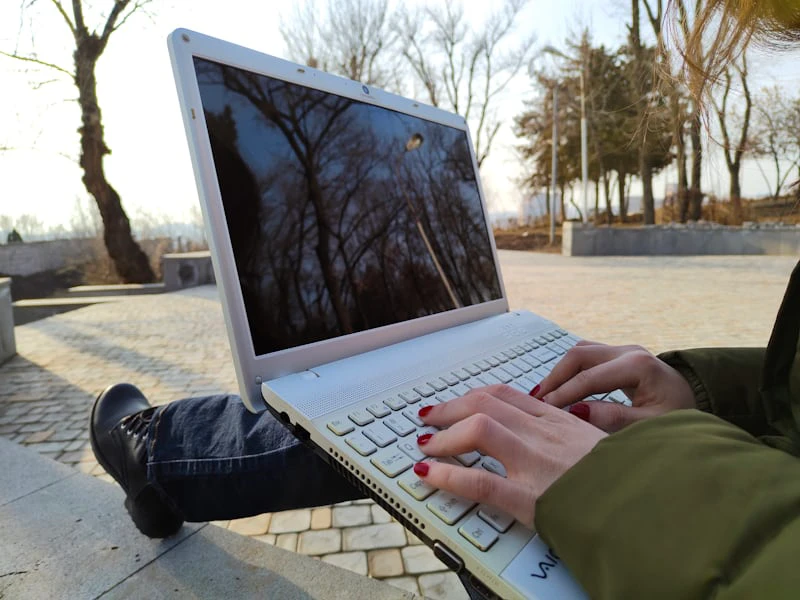
- Essential Gear: Pack a lightweight laptop, a portable power bank, noise-canceling headphones, and universal travel adapters. Protecting your equipment with durable cases is also important.
- Finding a Workspace: To maintain focus, it is helpful to establish a dedicated workspace. This could be a co-working space, a quiet cafe, or a designated area in your accommodation. A routine helps separate work hours from leisure time.
Navigating Logistics and Legalities
Before you embark on your journey, you need to address several practical considerations.
Visas, Insurance, and Mail
- Visa Requirements: Thoroughly research the visa rules for every country you plan to visit. Overstaying a visa can result in fines or being banned from re-entry.
- Health and Travel Insurance: Standard health insurance policies often do not cover you abroad. Purchase a comprehensive travel insurance plan that includes medical emergencies, trip cancellations, and theft of belongings.
- Handling Mail: Set up a system for your physical mail. You can use a mail-forwarding service that will scan your letters and upload them to a digital inbox or ask a trusted friend or family member to manage it for you.
Embarking on a digital nomad journey is a life-changing decision. With thoughtful preparation, you can build a sustainable lifestyle that blends meaningful work with the adventure of travel.